
Data Management and Optimization
Benefits of Data Optimization
Partnering with MOST Programming for Data Management and Optimization provides numerous benefits

Enhanced Data Quality
Accurate, clean, and standardized data ensures better decision-making and insights.

Operational Efficiency
Optimized data processes save time, reduce costs, and improve system performance.

Streamlined Access
Centralized data management provides easy, real-time access to information for all stakeholders.

Cost Reduction
Eliminate redundant data, minimize storage expenses, and optimize system resources.

Improved Security
Robust protocols protect your valuable data from breaches and ensure regulatory compliance.

Scalable Solutions
Our services are designed to scale with your business, handling increased data volumes effortlessly.
MOST Programming: Data Management and Optimization
In the modern business landscape, data is a critical asset that drives growth, innovation, and decision-making. However, without proper management and optimization, data can quickly become overwhelming, disorganized, and underutilized.
At MOST Programming, we provide robust Data Management and Optimization services to help organizations efficiently manage their data, improve its quality, and unlock its full potential for strategic use.

What is Data Management and Optimization?
Data Management refers to the systematic process of collecting, organizing, storing, and securing data to ensure it is accessible, accurate, and reliable. Data Optimization takes this further by enhancing data quality, reducing redundancies, and improving performance for analytics, reporting, and decision-making. For any organization, well-managed and optimized data enables:
- Improved operational efficiency.
- Better decision-making through accurate, real-time insights.
- Reduced storage costs and resource waste.
- Enhanced data security and compliance.
MOST Programming ensures that your data becomes an asset, not a liability, by implementing tailored strategies and solutions to manage and optimize your information effectively.

Our Approach to Data Management and Optimization
At MOST Programming, we take a systematic, results-driven approach to help you harness the power of your data. Our process includes:
- Data Assessment and Audit: We start by assessing your current data systems, processes, and storage infrastructure. By identifying gaps, inconsistencies, and inefficiencies, we determine how to improve your overall data strategy.
- Data Cleaning and Standardization: Poor data quality can hinder operations and lead to inaccurate decisions. We clean, validate, and standardize your data to ensure consistency, accuracy, and reliability across all systems.
- Centralized Data Management: We streamline your data storage processes by centralizing information into a unified platform, such as a cloud-based data warehouse. This eliminates data silos, improves accessibility, and ensures real-time updates for all stakeholders.
- Data Optimization Techniques: Using advanced optimization techniques, we reduce redundancies, enhance data performance, and improve query efficiency. Our solutions ensure that your systems process and analyze large datasets quickly and efficiently.
- Data Security and Compliance: We implement robust security measures to protect your data against breaches, loss, or corruption. In addition, we ensure compliance with industry standards and regulations, safeguarding your business reputation.
- Performance Monitoring and Reporting: MOST Programming provides tools for ongoing monitoring and reporting, enabling you to track data performance, usage, and quality. This ensures continuous improvement and alignment with business goals.
FAQs Related To Data Management and Data Management Services
What are data management services and why are they important?
Data management services encompass the processes, policies, and tools used to collect, store, organize, protect, and maintain an organization's data. These services are crucial because they ensure that data is accurate, consistent, and accessible, turning it into a reliable asset for strategic decision-making. Effective data management improves operational efficiency, enhances security, and provides the foundation for advanced analytics, which is a core component of our AI and Machine Learning solutions.
How does data management programming improve business operations?
Data management programming involves writing custom code and scripts to automate the processes of data ingestion, cleaning, transformation, and integration. This level of customization allows businesses to build solutions tailored to their specific workflows and systems. By automating these tasks, data management programming reduces manual errors, accelerates data processing times, and ensures a consistent flow of high-quality data across the organization, directly supporting a robust Data Flow Architecture.
What is involved in a typical data management and optimization process?
A comprehensive data management and optimization process typically begins with a thorough assessment and audit of your current data systems to identify inefficiencies. This is followed by data cleaning and standardization to ensure accuracy. We then focus on centralizing your data, often in a cloud-based data warehouse, to eliminate silos. Finally, optimization techniques are applied to improve query performance and reduce storage costs, with ongoing monitoring to ensure continuous improvement.
How do professional data management services ensure data quality?
Professional data management services ensure data quality through a multi-step process. It starts with data profiling to understand the condition of your data, followed by data cleansing to correct or remove inaccurate records. We then implement data standardization rules to ensure consistency across all systems. By establishing validation rules and automated monitoring, we help maintain a high level of data quality over time, which is essential for building reliable Cloud Data Applications.
What is the role of a centralized data warehouse in data management?
A centralized data warehouse serves as a single source of truth for an organization's data. By consolidating data from various disparate sources into one location, it eliminates data silos and ensures that everyone is working with the same information. This makes it easier to perform company-wide analytics, generate consistent reports, and gain a holistic view of business operations. Many modern data warehouses are built on powerful database technologies like MySQL.
How do data management services help with data security and compliance?
Data management services help with security and compliance by implementing robust access controls, encryption, and data masking techniques to protect sensitive information. A key part of the service is establishing a data governance framework that defines policies for data handling, usage, and retention. This ensures that your organization complies with industry regulations such as GDPR, HIPAA, or CCPA, thereby minimizing the risk of data breaches and associated penalties.
What are the primary benefits of data optimization?
Data optimization focuses on improving the performance, efficiency, and cost-effectiveness of your data systems. The primary benefits include faster query and report generation, which leads to quicker insights and better decision-making. It also reduces data storage costs by eliminating redundant or obsolete data. Furthermore, optimized data systems are more scalable, allowing them to handle growing data volumes without a degradation in performance.
How can a business determine if it needs professional data management services?
A business likely needs professional data management services if it experiences challenges such as inconsistent data across different reports, slow access to information, difficulty complying with data regulations, or if employees spend too much time manually collecting and cleaning data. If your data is not providing clear, actionable insights, or if you are concerned about data security, it is a strong indicator that you would benefit from expert data management services.
What kind of programming is involved in data management solutions?
Data management programming often involves a variety of languages and technologies to handle the entire data lifecycle. This can include using SQL for database queries and management, Python or R for data analysis and transformation scripts, and shell scripting for automating workflows. For building data pipelines and integration solutions, programming languages like Node.js can also be used to create efficient, event-driven processes.
How can an organization get started with a data management project?
Getting started with a data management project typically begins with defining clear business goals and identifying the key data-related challenges you want to solve. The next step is to conduct an audit of your existing data sources and infrastructure. For a comprehensive approach, partnering with a provider of data management services can help you develop a strategic roadmap, select the right tools, and implement a solution that aligns with your long-term objectives.
Why Choose MOST Programming?
At MOST Programming, we combine deep technical expertise with a client-first approach to deliver customized data management and optimization solutions. Our team of experienced professionals uses the latest tools, technologies, and best practices to ensure your data is organized, optimized, and ready for actionable use. Here’s why businesses trust MOST Programming:
Customized Solutions: Every organization has unique data needs, and we tailor our solutions to match your goals.
Proven Expertise: We have years of experience helping businesses manage and optimize their data efficiently.
End-to-End Support: From data assessment to ongoing optimization, we support you at every step.
Focus on Results: Our solutions are designed to drive measurable improvements in data quality and performance.
Effective data management and optimization are essential for any organization aiming to stay competitive in today’s data-driven world. MOST Programming’s Data Management and Optimization service ensures your data is clean, accessible, secure, and optimized for performance. By transforming your data into a strategic asset, we empower you to make better decisions, improve operations, and achieve sustainable growth. Unlock the full potential of your data with MOST Programming—because managing your data shouldn’t be a burden but a catalyst for success.



Data Management Optimization Services: a Complete Guide for Business Leaders
Introduction
Data management optimization services are professional solutions that streamline, improve, and maximize the business value of your organization’s data assets by focusing on optimizing the organization's data. As organizations face the challenges and opportunities presented by big data and the accumulation of more data, these optimization services address the complexity of managing, processing, and leveraging large volumes of information for better outcomes.
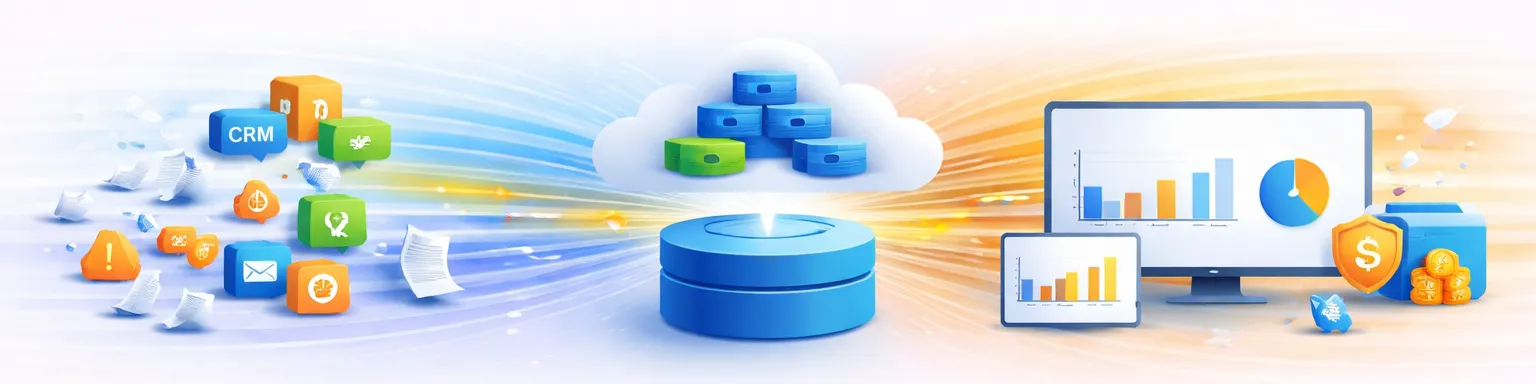
This guide covers the full spectrum of data management optimization services, including service types, implementation approaches, vendor selection criteria, measurable business impact, and the role of data analytics as a key area addressed by these services. We focus specifically on professional services rather than basic data storage solutions or off-the-shelf data management software. Business leaders, CTOs, and decision-makers seeking professional support for their data challenges will find actionable guidance for engaging the right partners.
Direct answer: Data management optimization services help organizations improve data quality, accessibility, and performance through expert consultation and implementation, enabling informed decisions and data driven decision making without building complex internal capabilities from scratch.
By the end of this guide, you will understand:
- How professional optimization services enhance data quality across your entire data ecosystem
- Which service models reduce costs while improTving operational efficiency and delivering greater efficiency in workflows and data processing
- How to select providers that align with your business needs and compliance requirements
- What implementation processes ensure successful data transformation and improve visibility into your organization's data
- How to measure ROI and drive your organization forward with reliable data and the ability to make informed decisions
Understanding Data Management Optimization Services
Data management optimization services are professional consulting and implementation solutions designed to improve how organizations handle all the data flowing through their systems. Unlike purchasing data management software alone or relying solely on internal IT efforts, these services provide specialized expertise, proven methodologies, and hands-on support to address complex challenges in managing data at scale. Organizing data—through structuring, cleaning, and managing—plays a critical role in enhancing data quality and performance.

The distinction matters for business leaders: while tools provide capabilities, optimization services ensure those capabilities deliver intended purpose. Professional providers bring experience from dozens of implementations, pre-built frameworks for data governance, and the ability to integrate and efficiently process data across legacy systems and modern cloud platforms simultaneously.
Core Service Components
Every engagement begins with data assessment and audit services. Providers analyze your current state—examining data sources, quality metrics, storage costs, and how information flows through your business operations. As part of this process, they evaluate and implement metadata standards to improve data quality, accessibility, and discovery by ensuring consistent and well-defined metadata practices. This assessment reveals gaps between where your data management processes stand today and where they need to be to support business strategies.
The connection to overall optimization strategy is direct: you cannot optimize what you haven’t measured. Assessment findings drive prioritization, helping you determine which improvements will generate the greatest efficiency gains and business value first.
Service Delivery Models
Organizations can access support through three primary models:
Consulting services provide strategic guidance, architecture recommendations, and implementation roadmaps while your team executes. This works well when internal capabilities exist but need direction.
Managed services offer ongoing operation of data pipelines, quality monitoring, and governance enforcement. Providers handle day-to-day management techniques while you maintain strategic oversight through dashboards and regular reporting.
Hybrid approaches combine elements of both—consultants establish frameworks and provide initial implementation, then transition to managed support for specific functions while your team handles others.
The relationship between these models and your resource utilization is crucial: organizations with limited data engineers often start with managed services, while those building internal capabilities may prefer consulting that transfers knowledge over time.
Understanding these foundational concepts prepares you to evaluate specific service categories and identify which address your most pressing data challenges.
Types of Data Management Optimization Services
Building on the service delivery models above, optimization providers organize their offerings into specialized categories. Each addresses distinct aspects of the data lifecycle, from ensuring accuracy at the source to enabling advanced analytics that drive competitive advantage.
Data Quality and Governance Services
Professional data cleaning and standardization programs tackle the root causes of poor data quality—duplicates, incomplete records, inconsistent formats, and other errors that compromise analysis. Providers implement automated validation rules, establish data quality metrics, and create monitoring systems that catch issues before they impact business operations.
Governance framework development goes beyond cleanup to establish ongoing policies. This includes defining data ownership, access controls, and retention policies that ensure data meets compliance requirements like GDPR and CCPA. For many organizations, these services play a crucial role in transforming raw data from a liability into trusted data that supports reliable decision making.
Compliance and regulatory support services specifically address industry requirements—financial reporting standards, healthcare privacy rules, or cross-border data transfer regulations—building systematic approaches rather than reactive fixes.
Data Architecture and Integration Services
Enterprise data architecture design creates the blueprint for how data flows through your organization. Providers design systems that connect data warehouses, data lakes, and operational databases into coherent ecosystems where information is accessible to those who need it.
System integration and migration services handle the technical work of connecting disparate data sources—ERP systems, CRM platforms, third-party APIs, and IoT devices—into unified data pipelines. This integration work eliminates silos where valuable customer behavior insights or operational metrics become trapped.
Cloud data platform implementation helps organizations leverage scalable infrastructure while managing costs effectively. Providers guide decisions about hybrid architectures that balance legacy compatibility with modern capabilities for handling high volume data.
Analytics and Performance Optimization
Query performance tuning and database optimization address the practical reality that poorly optimized systems waste resources and frustrate users. Providers analyze existing data sets, implement partitioning strategies, and tune queries to deliver faster access to business data.
Business intelligence platform implementation connects optimized data infrastructure to visualization and reporting tools. This work transforms stored information into actionable insights accessible to technical and non-technical users alike.
Predictive analytics and machine learning enablement prepare your data foundation for artificial intelligence applications. Clean, well-organized data becomes the fuel for models that forecast demand, identify opportunities, and improve customer experiences through personalization.
These service categories often overlap in practice—a comprehensive engagement might address quality, architecture, and analytics simultaneously to deliver cohesive data management solutions.
Fostering a Data-Driven Culture
Building a data-driven culture delivers actionable insights that transform how organizations harness their data assets to drive strategic decisions with greater confidence. A data-driven culture enables teams across every level to extract real value from data, shaping cutting-edge business strategies and optimizing day-to-day operations. Effective data management serves as the foundation for this transformation, ensuring all organizational data delivers accuracy, accessibility, and reliability that addresses real-world challenges.
Deploying robust data governance and leveraging advanced data optimization techniques establish clear standards that drive data quality and intelligent usage. This approach ensures data integrity while building trust that encourages employees to harness data for strategic insights and informed recommendations. Data management software and solutions deliver the essential tools needed to manage, integrate, and analyze data efficiently, enabling teams to access the right data precisely when competitive advantage demands it.
Organizations that prioritize effective data management and promote data-driven decision making extract greater operational efficiency, enhanced customer experiences, and increased business value from their investments. A strong data-driven culture enables continuous improvement, helping businesses adapt quickly to changing market conditions and stay ahead in an increasingly competitive landscape.
Enhancing Customer Experiences through Data Optimization
Data optimization delivers powerful results for enhancing your customer experiences. By optimizing your data, you gain actionable insights into customer behavior, preferences, and needs, allowing you to deliver more personalized and relevant interactions. We utilize techniques such as data cleaning, data transformation, and advanced data analysis to help you extract meaningful information from high volume data, ensuring that every customer touchpoint benefits from accurate and up-to-date insights.
Integrating your data from multiple sources—such as CRM systems, online interactions, and support channels—creates a unified view of each customer that drives real results. This holistic perspective enables you to tailor your offerings, anticipate customer needs, and resolve issues proactively, delivering improved engagement and satisfaction. Data optimization also helps you reduce costs and improve operational efficiency by streamlining your business processes and identifying new opportunities for growth.
Ultimately, optimizing your data not only enhances customer experiences but also drives your business success by enabling more effective analysis, reducing your operational costs, and supporting data-driven strategies that deliver measurable value to your organization.
Improving Data Visibility and Transparency
Improving data visibility and transparency is fundamental to driving your business forward and ensuring your data optimization initiatives deliver real results. When you can easily access and interpret the data you need, while gaining complete clarity about your data's origin, quality, and context, you build the foundation for confident, strategic decision making that keeps you ahead in today's competitive landscape.
Our cutting-edge data management solutions deliver powerful capabilities—including advanced data cataloging, comprehensive data lineage tracking, and real-time data quality metrics—that transform how you achieve visibility and transparency. These tailored tools help you organize and manage even the most complex data sets, ensuring your team can quickly find and understand exactly the data relevant to their roles. Through strategic data optimization techniques, including intelligent data aggregation and summarization, we help you simplify large or complex data sets, making actionable insights more accessible and immediately usable for your business goals.
By partnering with us to prioritize data visibility and transparency, you ensure your data is not only available but also completely understandable and trustworthy, establishing the groundwork for more effective data management, superior decision making, and greater business value that drives your competitive advantage.
Service Implementation Process and Vendor Selection
With service categories understood, business leaders need practical guidance on how engagements unfold and which provider types align with their situation. The implementation process and vendor selection directly impact outcomes, timelines, and total investment.
Typical Implementation Process
Organizations should engage optimization services when internal efforts have stalled, when data volume exceeds current capabilities, or when strategic initiatives require reliable data that current processes cannot deliver.
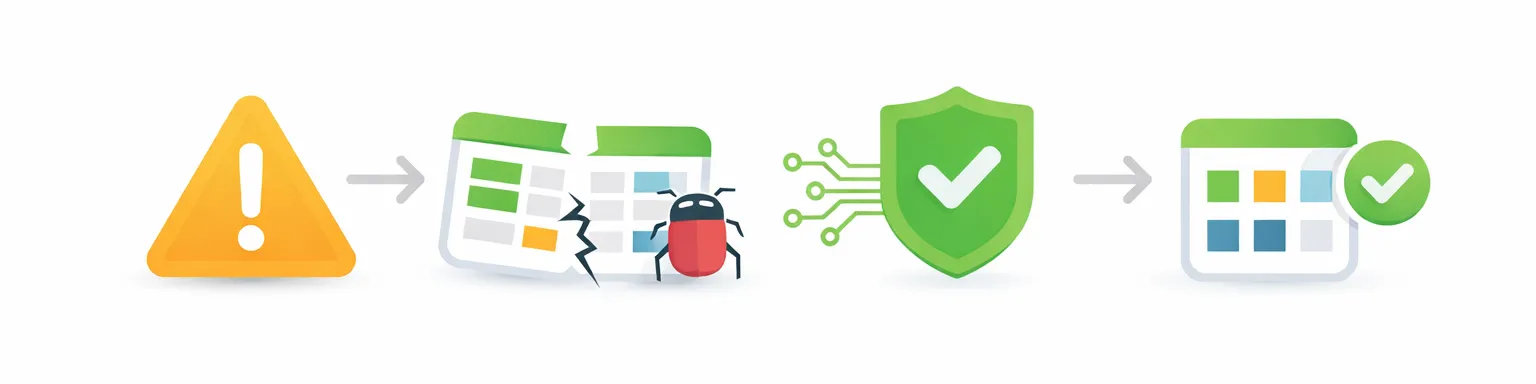
- Initial data assessment and business requirements gathering Providers document existing data sources, quality baselines, and technical architecture while capturing business needs and success criteria that will measure impact.
- Strategy development and roadmap creation Based on assessment findings, providers develop prioritized recommendations with clear timelines, resource requirements, and expected outcomes for each phase.
- Pilot implementation and testing phase Before full deployment, targeted pilots prove concepts, validate approaches, and build organizational confidence while limiting risk exposure.
- Full-scale deployment and change management Successful pilots expand across the organization with accompanying training, documentation, and communication that ensure data preparation and new processes take root.
- Ongoing monitoring and continuous improvement Optimization is not a one-time project. Mature engagements establish observability practices, regular reviews, and continuous enhancement cycles that maintain momentum.
Service Provider Comparison
| Criterion | Specialized Consulting Firms | Technology Vendors | Large System Integrators |
|---|---|---|---|
| Expertise Focus | Deep data optimization techniques and methodology | Product-specific implementation | Broad enterprise transformation |
| Project Scale | Small to mid-sized targeted engagements | Varies with platform scope | Large multi-year programs |
| Cost Structure | Typically hourly/project-based, moderate rates | Often tied to licensing, variable | Premium rates, significant minimums |
| Implementation Timeline | 3-12 months typical | Dependent on product complexity | 12-36 months for major initiatives |
When selecting providers, consider alignment between their strengths and your specific challenges. Specialized firms excel at data quality and governance work requiring deep methodology. Technology vendors make sense when their platforms form the foundation of your architecture. System integrators handle complex, multi-system transformations but bring higher costs and longer timelines.
The provider decision also affects how effectively you can integrate data across your ecosystem and whether you can adapt as business needs evolve.
Measurement and Evaluation of Data Management Optimization Initiatives
Measuring and evaluating the impact of your data management optimization initiatives helps you ensure that your organization achieves the desired business outcomes you're aiming for. Key performance indicators (KPIs) such as data quality, data accessibility, and data usage rates give you valuable insights into how effective your data optimization efforts really are. Financial metrics like return on investment (ROI), total cost of ownership (TCO), and payback period help you quantify the actual business value your initiatives generate.
When you regularly monitor these metrics, you can identify areas where improvements are needed, optimize your data management processes, and make sure your data optimization strategies stay aligned with your broader business objectives. Data management software and solutions provide you with robust capabilities for tracking and reporting on these KPIs, enabling you to make data-driven decisions and drive the continuous improvement your organization needs.
By establishing clear measurement frameworks and leveraging the right tools, you maximize the value of your data optimization initiatives, ensuring that every investment you make in data management delivers tangible business benefits and supports your long-term strategic goals. This approach helps you stay ahead in an increasingly competitive landscape where effective data management can make the difference between success and falling behind.
Common Challenges and Solutions
Even well-planned optimization initiatives encounter obstacles. Understanding common challenges helps business leaders prepare responses and set realistic expectations with stakeholders.
Budget and ROI Concerns
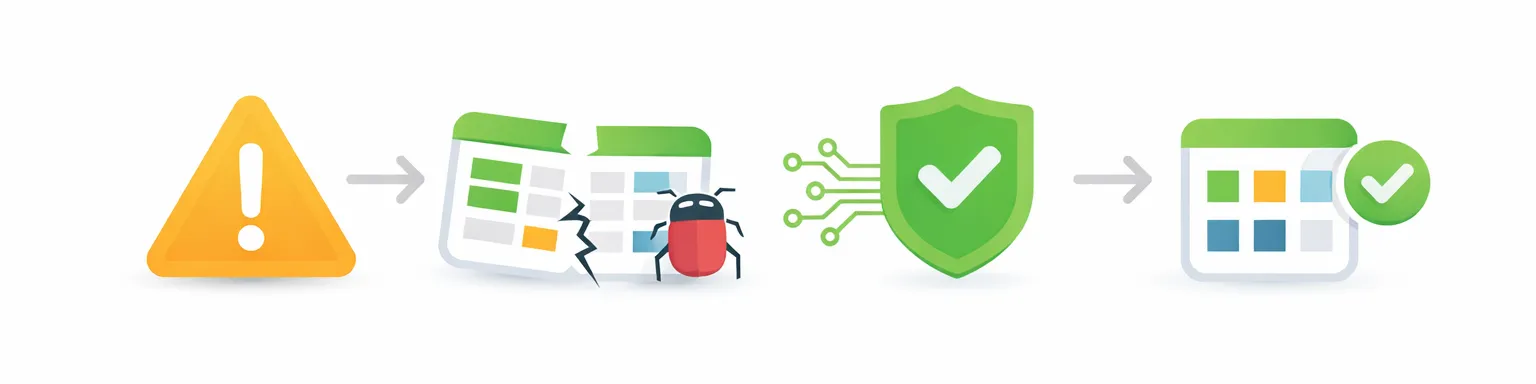
Many organizations struggle to justify optimization investments without clear returns. The solution centers on phased implementation with measurable milestones. Start with targeted improvements—addressing data quality issues in a single business unit or optimizing data transformation for one critical process—and measure results before expanding scope.
Establish baseline metrics before implementation begins. Track cost reduction from eliminated manual data cleaning, time saved in analysis and reporting, and revenue impact from improved insights. Organizations with effective data management typically see 5-10x returns on analytics investments, but only when they can demonstrate specific improvements against documented starting points.
Change Management and User Adoption
New data management processes fail when users resist adopting them. The solution requires investment in training and communication that treats data governance as enabling rather than restricting. Show users how reliable data makes their jobs easier, how standardized formats reduce frustration, and how centralized location of information saves time.
Engage stakeholders from affected departments early in strategy development. When users contribute to defining rules and processes, they’re far more likely to follow them—and to advocate for adoption among colleagues.
Vendor Selection and Contract Management
Poorly structured engagements lead to scope creep, unmet expectations, and contentious relationships. Develop detailed RFPs that specify success criteria, not just deliverables. Include service level agreements covering response times, quality benchmarks, and remediation procedures.
Establish regular performance monitoring using objective metrics aligned with business outcomes. Review progress quarterly, address issues promptly, and maintain documentation that supports either continued partnership or smooth transition if changes become necessary.
These challenges are manageable when addressed proactively rather than reactively.
Conclusion and Next Steps
Data management optimization services provide the expertise, methodology, and hands-on support that business leaders need to transform organizational data from a burden into a strategic asset. Whether addressing data quality gaps, modernizing architecture, or enabling advanced analytics, professional services deliver results faster and more reliably than purely internal efforts—particularly for organizations without extensive data engineering capabilities.
To move forward, take these immediate steps:
- Assess current data challenges — Document pain points, quality issues, and unmet business needs that optimization services could address
- Define optimization goals — Establish specific, measurable objectives tied to business outcomes rather than technical metrics alone
- Research qualified service providers — Identify 3-5 candidates aligned with your project scope, industry, and organizational culture
Related topics worth exploring include data strategy development—establishing the overarching vision that guides optimization priorities—and technology platform selection for organizations evaluating new data management software or infrastructure investments.
Additional Resources
Industry frameworks and maturity models — DAMA International’s DMBok 2 provides comprehensive guidance on data management disciplines and assessment approaches
Professional certification programs — CDMP (Certified Data Management Professional) credentials help identify qualified practitioners and build internal capabilities
Vendor evaluation tools — Develop structured RFP templates and evaluation scorecards that weight criteria according to your specific priorities and ensure data accessibility across proposed solutions